
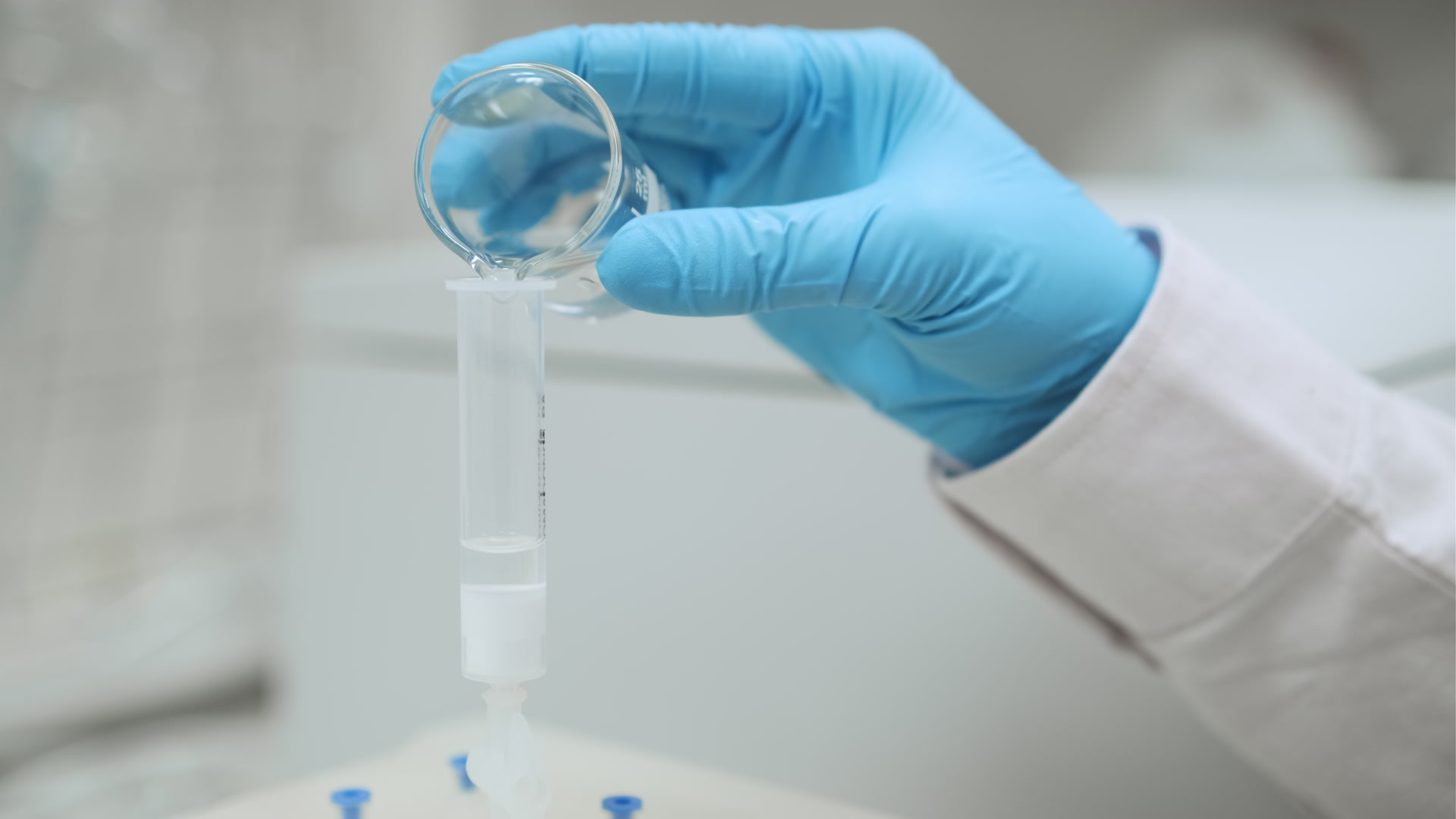
 Film credits
A research vision for Oxford.
Fundamental questions about interfaces, preparation identity and recovery could give a formulation ambition a stronger scientific foundation.
Collaboration vision · Subject to institutional discussion and agreement.
Let a difficult material question earn the collaboration.
Turn an application constraint into an original research question that can earn academic attention and inform a real formulation decision.
A material can look promising without explaining why its useful behaviour appears, when it disappears or how another preparation could reproduce it. That gap is where a strong academic question can begin. VARUNÉ Bio’s vision is to connect a precise formulation problem with research that contributes knowledge, rather than ask a university to validate a finished marketing narrative.
Oxford is presented here as a prospective research context. No joint Bio–Oxford project, supervisory arrangement or institutional endorsement has been established for these pages. The invitation is to examine what a future discussion would need: a significant question, an original contribution, appropriate methods, resources and a route to an interpretable outcome.
Examine the development decision
A research vision for Oxford.
Open the sequence to examine what a development decision needs.
Identify the exact preparation, its source, and the properties a second laboratory must be able to reproduce.
Explanatory geometry · no simulated or measured performance
Explore interfaces before declaring a platform.
Examine how the liquid around a material changes its interactions, then connect that mechanism with preparation and incorporation conditions.
One possible question concerns the liquid environment around a soft material: how do ions, molecular additives and confinement change an interface’s interactions? Oxford’s independent Electrolytes & Interfaces research makes this a relevant intellectual direction, with attention to measured surface forces and complex liquid conditions (University of Oxford, n.d.).
A prospective Bio contribution could ask which preparation variables preserve a material function after incorporation into a formulation. It would require a narrow system and a feasible comparator, with the academic mechanism separated from any finished-product claim. The objective would be a condition-dependent explanation and reproducible comparison that a researcher can defend and a formulator can use.
(Perkin group, University of Oxford, n.d.) | (University of Oxford, n.d.)
Investigate identity at the scale where it changes.
Look beyond an ensemble diameter to the chemical features that make two preparations meaningfully comparable to a researcher or formulator.
A second direction is whether ensemble size and total composition conceal meaningful differences between individual carriers. The Stevens research context combines biomaterials with sophisticated measurement; a recent multi-institution study examined PEG-lipid anchors, particle fingerprints and corona composition in specified LNP systems (Lu et al., 2026).
That external work does not give Bio a therapeutic platform or establish behaviour in a cosmetic formulation. It suggests a prospective measurement question: which aspects of a preparation must be preserved to make a comparison chemically meaningful? A useful research output might connect a verified analytical signature with a controlled change in preparation, while leaving unsupported biological interpretations outside the conclusion.
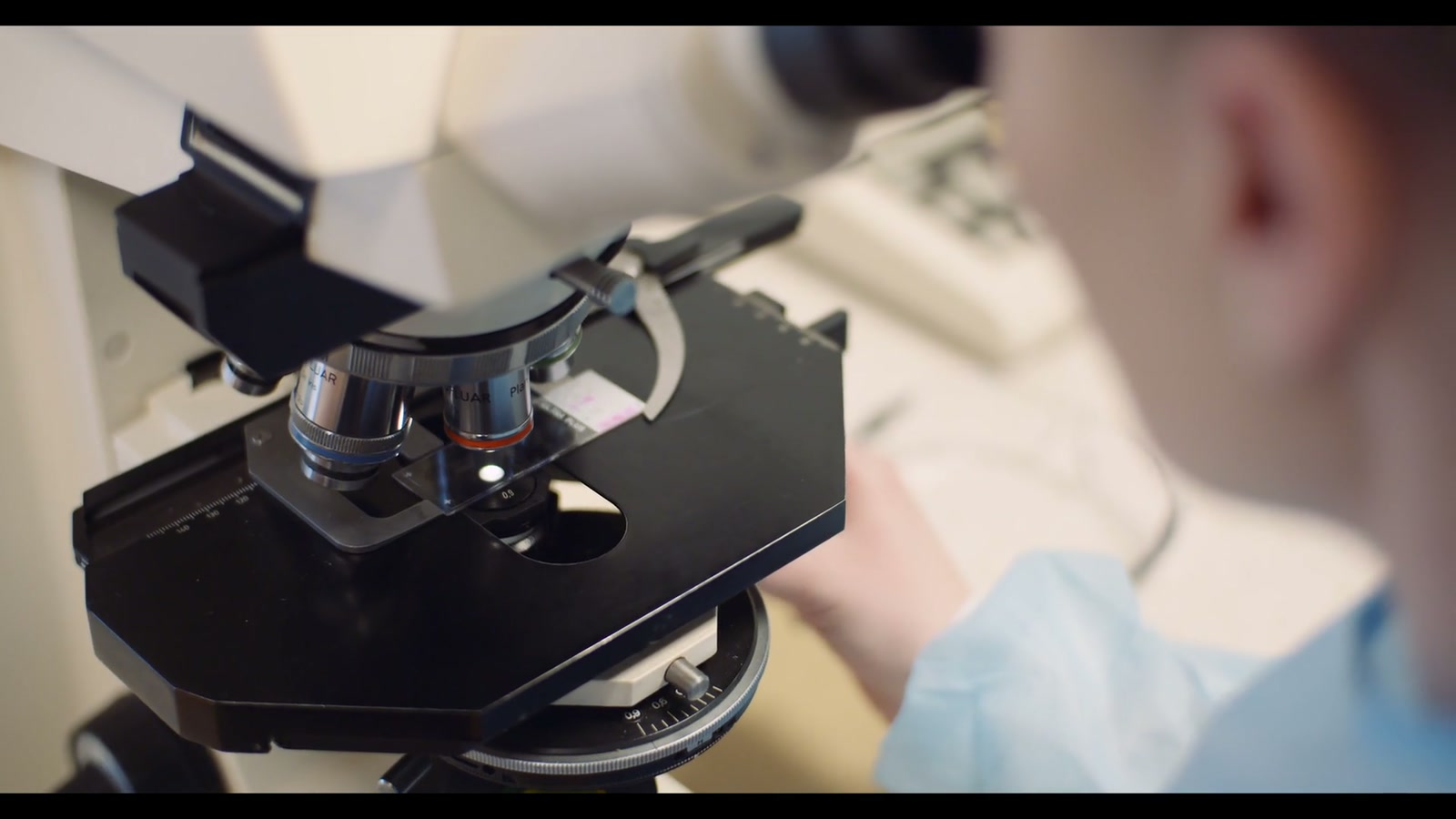
Look closer at what makes a material work.
Electrolytes, carrier identity and separation connect the interface with the preparation a formulator can use.
Recover a material without losing its reason to exist.
Connect separation with the material function, so a recovery gain can be assessed against the preparation the buyer actually needs.
A third direction concerns separation and finishing. Recovering more target mass can be commercially unhelpful if the resulting preparation loses the molecular or application properties that made it interesting. Oxford’s independent membrane research includes bioseparation, fouling and selectivity themes, providing a relevant engineering context for this question (University of Oxford, n.d.).
A prospective project could investigate how a recovery boundary changes an extracellular polymer preparation and its subsequent formulation behaviour. The academic contribution would need more than a yield improvement: an interpretable mechanism, a measured trade-off or a transferable method argument. The commercial sponsor would need to identify the material requirement and the incumbent route against which the result matters.
Giving the doctoral contribution its own purpose.
Develop an examinable contribution that preserves competing explanations and gives research independence a clear role in the programme.
A doctoral project needs an original, examinable contribution, suitable supervision and enough time and resources to investigate it. A company’s immediate formulation decision can help define relevance, but cannot dictate a predetermined scientific result. The project should retain negative findings and competing explanations when those are what the evidence supports.
Oxford’s official Chemistry and Engineering Science DPhil pages describe independent research-degree routes (University of Oxford, 2026). A prospective applicant should use those authoritative pages for current course and application requirements. The research brief should explain the prospective contribution, relevant preparation and resources so a departmental team can assess the scientific fit. Admissions and funding information belongs to the University’s own current course route.
Enter the experiment · an interactive scientific lens
A few particles can dominate the signal.
Compare number fraction with a Rayleigh-limit intensity contribution. Ask what the instrument is weighting.
The data, equations and controls remain available below if 3D cannot load.
Calculated comparison · illustrative inputs
Move a control to compare the selected condition with the defined reference curve.
Specify the complementary characterisation needed before comparing carrier preparations.
The defined comparison
Ideal independent spheres with the same optical contrast, both much smaller than the illumination wavelength. Radius ratio a, number fraction fN. This is relative Rayleigh scattering, not a full DLS model, a measured size distribution or a chemical-identity test. In the schematic sample, radius ratio is geometric; the sparse visible markers do not represent the selected number percentage. The quantitative plot carries that percentage exactly.
Inspect the calculated values
Calculation grid, not measured observations. The source observation for the rheology reconstruction is stated above.
| Larger population / number % | Relative intensity contribution | Number fraction |
|---|
Making resources part of the scientific design.
Identify the minimum sample, method and expertise needed to make the first comparison feasible and the next commitment worthwhile.
Each direction needs an actual preparation, a suitable measurement method and the people capable of interpreting it. An interface study may require specialised surface-force access; a particle-identity study may need advanced spectroscopy and complementary assays; a recovery study may need an appropriate separation rig and material characterisation. Naming an institution does not reserve those resources.
The proposed discussion pack would identify minimum methods, sample quantities, comparator availability, analytical readiness and unresolved access dependencies. A staged feasibility scope could establish whether the question is tractable before a larger commitment. If the required preparation cannot be supplied consistently or the measurement cannot resolve the hypothesis, the project should narrow its ambition rather than hide that constraint.
Agree how knowledge can become useful.
Define how materials, methods, data and publication could be shared before a promising question becomes an institutional project.
A future collaboration would need to distinguish existing material and methods from outputs created through the research. Sample access, data use, confidentiality, publication and any potential commercial exploitation would require appropriate institutional discussion. The public story should state the question and prospective value while preserving details that have not been cleared for disclosure.
Oxford provides formal routes for research collaboration and licensing through its institutional arrangements (University of Oxford, n.d.; Oxford University Innovation, n.d.). Those routes do not establish Bio ownership or automatic permission to use university technology. The vision is to develop an agreement around a genuinely useful contribution, with research independence and each party’s rights considered from the beginning.
(University of Oxford, n.d.) | (Oxford University Innovation, n.d.)
Giving the sponsor a decision it can recognise.
Give an application scientist and a sponsor an interpretable output that can change a preparation, comparison or investment decision.
For a formulation or ingredient sponsor, the useful output could be a preparation-specific mechanism map, an analytical identity record or a recovery/function comparison. Each should inform a defined choice: retain the incumbent, revise the preparation, commission a narrower experiment or stop a weak route. A publication and a development decision can be complementary outcomes without being identical.
This structure supports Bio’s ambition for qualified academic formulation collaborations and original studies as goals to earn. It does not convert an institution’s reputation into company evidence. Funding and technical capacity should follow the uncertainty that matters, with the expected contribution, acceptance discussion and next commitment explicit enough for a serious research or commercial conversation.
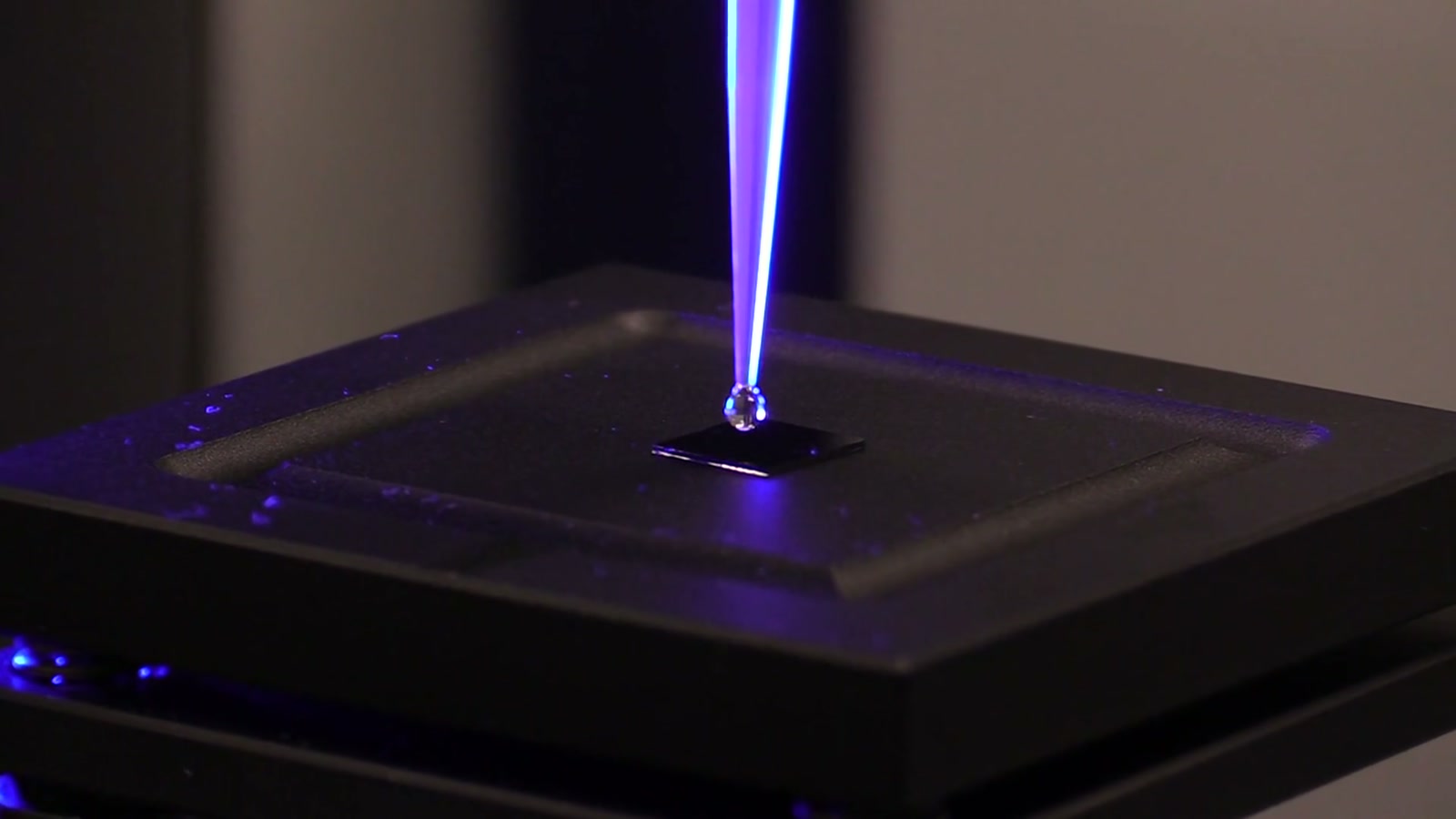
A comparison worth making.
Define the preparation, the measurable difference and the decision the evidence could change.
A question worth both teams’ time.
Bring the material, comparator and unresolved choice together in a question that a prospective academic team can assess.
A useful enquiry from a researcher or sponsor would describe the preparation, mechanism under consideration, relevant comparator and the decision that remains unresolved. Public information can establish the initial scope, while confidential material follows an agreed process. The first output could be a research-question brief rather than an immediate experiment or degree proposal.
A prospective collaboration becomes concrete when a suitable academic team agrees the question, the resources are credible and the rights and funding arrangements are resolved. Until then, these pages are a research vision with independently attributed context. Explore the three directions to see what Bio would want to investigate, what an original contribution could look like and what would be needed to make it possible.
A prospective study worth shaping
Understand the preparation before valuing the promise.
A carrier diameter, an electrolyte composition or a recovery percentage can hide a preparation difference that matters to the next formulation decision. Material identity and evidence boundaries need to remain visible.
Select a first comparison around interface response, complementary carrier characterisation or separation recovery. Connect a controlled preparation change to a result that a formulator or process sponsor could use.
What a first scope
could produce.
- A preparation-specific scientific question
- A benchmark and complementary measurement plan
- A reproducible source and method record
- An explicit proceed, revise or stop criterion
Bring a real question.
Bring the current benchmark, the unanswered scientific question, sample or data access, and the result that would change your next development decision. An analytical partner can contribute method expertise; a researcher can challenge the mechanism; a sponsor can define the application constraint.
A possible first commission would be a bounded feasibility, protocol-design or evidence-analysis package, followed by a separately resourced experiment where warranted. Scope, costs, delivery capacity, rights and institutional participation would be agreed before work began. These are proposed opportunities, not an assertion that a laboratory service or joint programme is already available.
Shape a non-confidential research scopeIndependent VARUNÉ Bio proposal. University participation, resources, rights and deliverables remain subject to discussion and agreement. Confidential material can follow an appropriate agreement once the parties and purpose are defined.
Your contribution to the question
What could you
bring to the study?
Choose a scientific direction and the perspective closest to your work. Build a useful starting brief around the question, the measurement and the contribution that could move it forward.
The question
Which liquid-composition change alters the interaction that a soft material needs to retain?
A preparation-specific interaction map and a controlled formulation comparison.
Read the scientific directionYour possible contribution
Develop a mechanism, distinguish competing explanations and define an interpretable measurement.
What makes the brief useful
Liquid composition, material identity, measurement geometry and a relevant interface readout.
The relevant method, an accessible preparation or dataset, and the comparison your expertise could make more informative.
The next conversation
Shape a non-confidential scientific scope, then agree resources, responsibilities and permitted outputs with the appropriate parties.
Prepared in your browser. Saving a brief sends no enquiry and creates no application. These are prospective research visions; an agreed project would require institutional assessment, resources and appropriate arrangements.
Inside the Oxford research vision
Follow the
scientific question.
Explore another scientific context.
Sources and reading notes.
External work is identified below. Access notes describe the material inspected for this page; company research questions and proposed work are not presented as findings from these sources.
Perkin group, University of Oxford, n.d.Perkin group, University of Oxford (n.d.) Electrolytes & Interfaces: Projects
Independent liquid-interface, osmolyte, confined-liquid and surface-force research themes.
Scope and limitations: Independent university information; no Bio affiliation, capacity reservation, supervisor agreement or endorsement inferred.
Open original sourceUniversity of Oxford, n.d.University of Oxford (n.d.) Susan Perkin, Department of Chemistry
Current physical-chemistry research identity and liquid/interface methods.
Scope and limitations: Independent university information; no Bio affiliation, capacity reservation, supervisor agreement or endorsement inferred.
Open original sourceUniversity of Oxford, n.d.University of Oxford (n.d.) Molly Stevens, Department of Engineering Science
Current John Black Professor of Bionanoscience, independent biomaterial/measurement themes.
Scope and limitations: Independent university information; no Bio affiliation, capacity reservation, supervisor agreement or endorsement inferred.
Open original sourceLu et al, 2026Lu et al. (2026) The Impact of Polyethylene Glycol Lipid Anchors on the Physicochemical Properties, Protein Corona, Function, and Biodistribution of Lipid Nanoparticles
Original multi-institution study linking preparation-specific PEG-lipid chemistry, Raman observations and corona analysis.
Scope and limitations: Crossref lists CC BY 4.0 for version of record from 22 June 2026; third-party/patent rights separate. No numeric dataset or figure extracted. Therapeutic LNP/serum/cell/mouse context; not Bio skincare, clinical efficacy or available technology.
Open original sourceUniversity of Oxford, n.d.University of Oxford (n.d.) Membrane Science & Technology
Current independent engineering research areas.
Scope and limitations: Independent university information; no Bio affiliation, capacity reservation, supervisor agreement or endorsement inferred.
Open original sourceUniversity of Oxford, n.d.University of Oxford (n.d.) Bioseparations Using Membrane Technology
Independent bioseparation themes including fouling/selectivity.
Scope and limitations: Independent university information; no Bio affiliation, capacity reservation, supervisor agreement or endorsement inferred.
Open original sourceUniversity of Oxford, 2026University of Oxford (2026) DPhil in Chemistry
Current 2027–28 course identity, research route and official application information.
Scope and limitations: Independent university information; no Bio affiliation, capacity reservation, supervisor agreement or endorsement inferred.
Open original sourceUniversity of Oxford, 2026University of Oxford (2026) DPhil in Engineering Science
Current 2027–28 research-degree route and interdisciplinary engineering themes.
Scope and limitations: Independent university information; no Bio affiliation, capacity reservation, supervisor agreement or endorsement inferred.
Open original sourceUniversity of Oxford, n.d.University of Oxford (n.d.) Collaborate on a research project
Institutional route for research-project discussion and agreement-specific arrangements.
Scope and limitations: Independent university information; no Bio affiliation, capacity reservation, supervisor agreement or endorsement inferred.
Open original sourceOxford University Innovation, n.d.Oxford University Innovation (n.d.) Licensing
Licensing and research/consultancy are distinct possible routes requiring agreement.
Scope and limitations: No Bio licence, assignment, university commitment or automatic result ownership established.
Open original source