Education with substance.
Animal biology, real geography and dated conservation evidence, made accessible through the stories on this site. Each story links to the organisations and research behind it.

The conservation agenda
Biology is more than a source of ideas.
It is a living world.
From Arctic sea ice to Himalayan mountains and the forests below, remarkable animals share the environments that inspire scientific curiosity. Understanding what they need is the beginning of a useful contribution.
Five stories | Distinct habitats
Meet the animal. Understand the pressure. Find the work that can help.
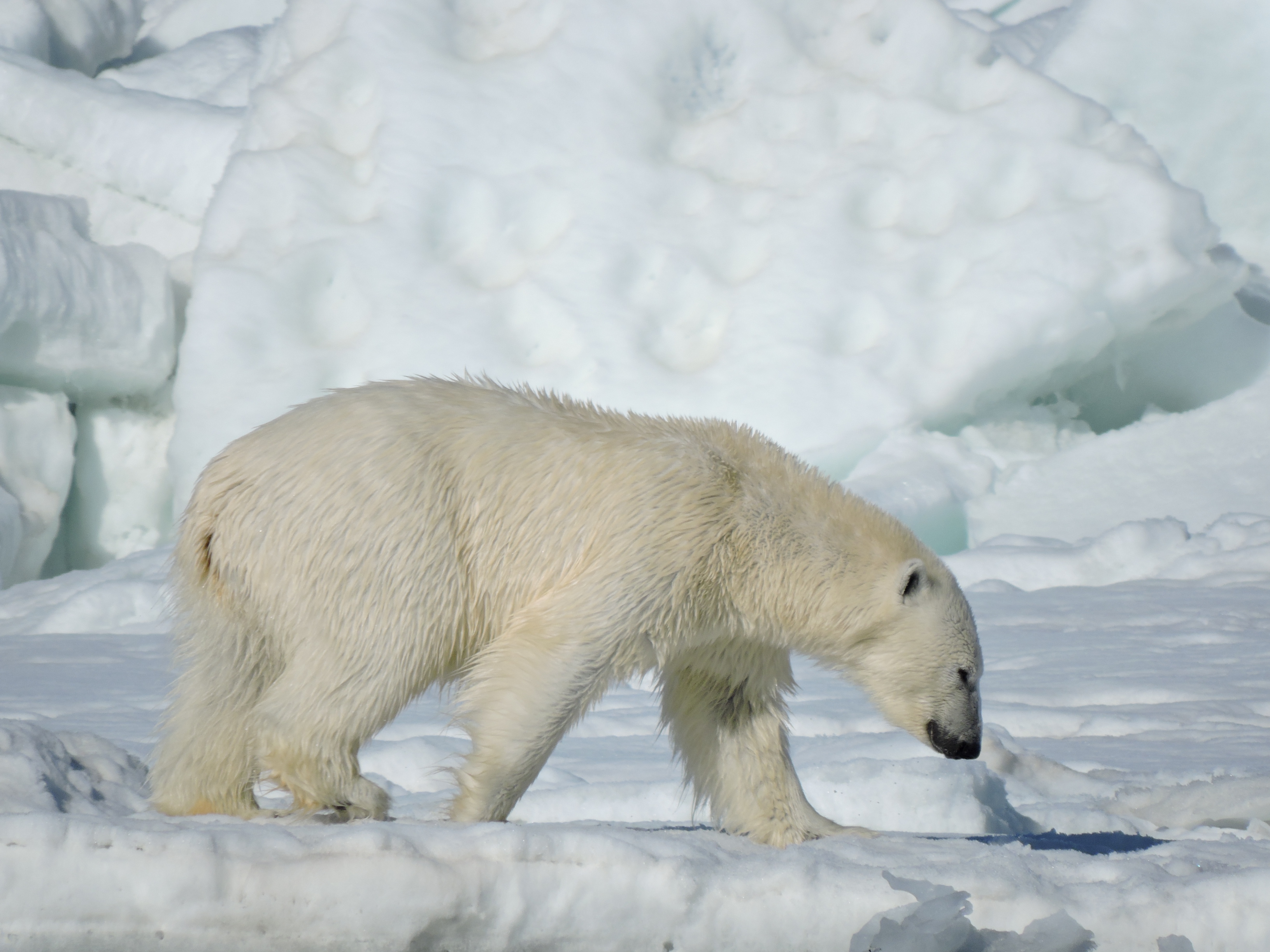 01 | Polar
Ice is a hunting platform.
The animal’s connection to sea ice is about access to prey, not simply a preference for cold weather.Arctic | Sea ice and coastal habitats
A future with ice.
Read the story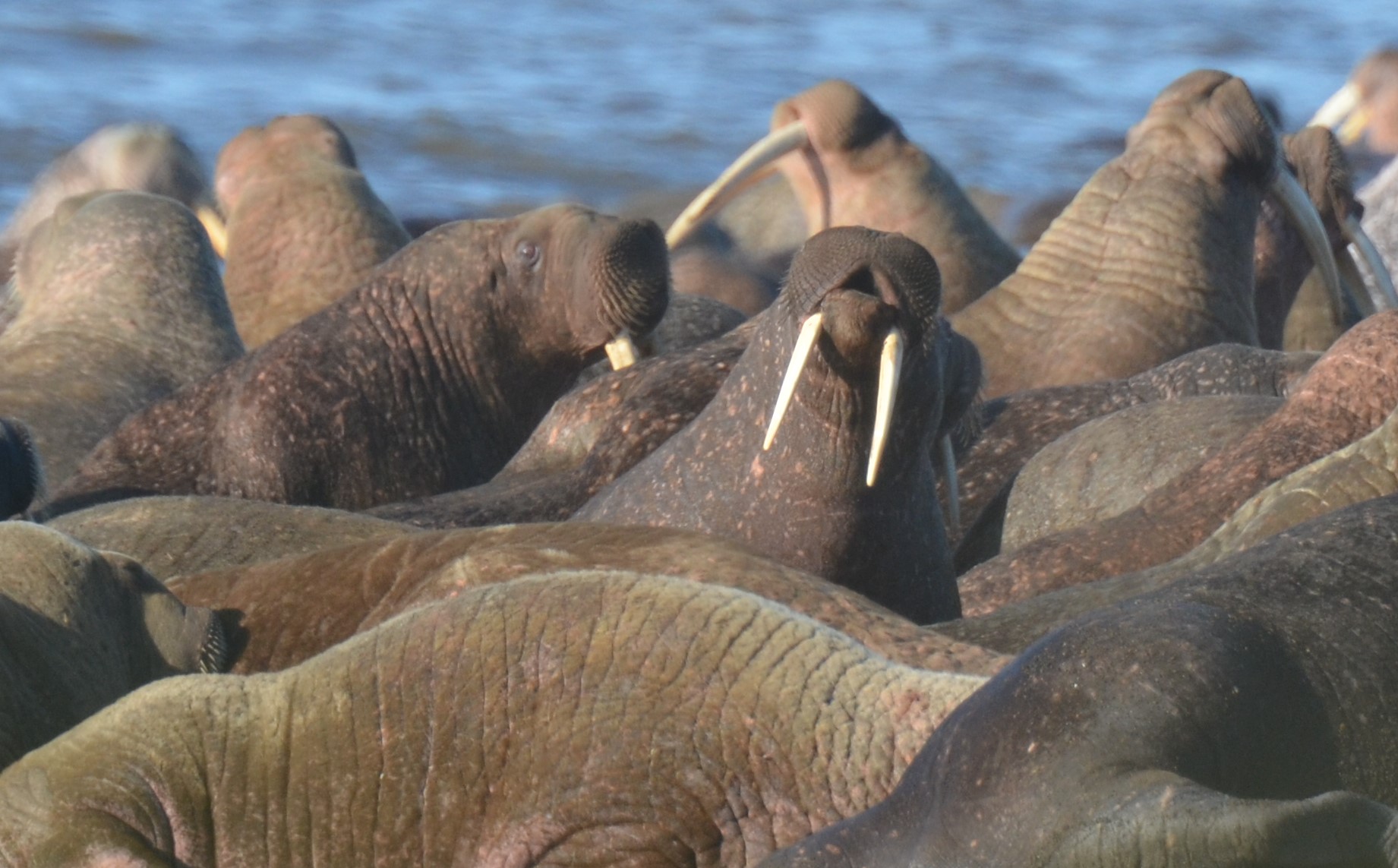 02 | Polar
A resting place matters.
Pacific walruses need access to feeding grounds and places to rest. Dense coastal groups can be sensitive to disturbance.Arctic Ocean | Ice, coasts and migration routes
An ocean alive beneath the ice.
Read the story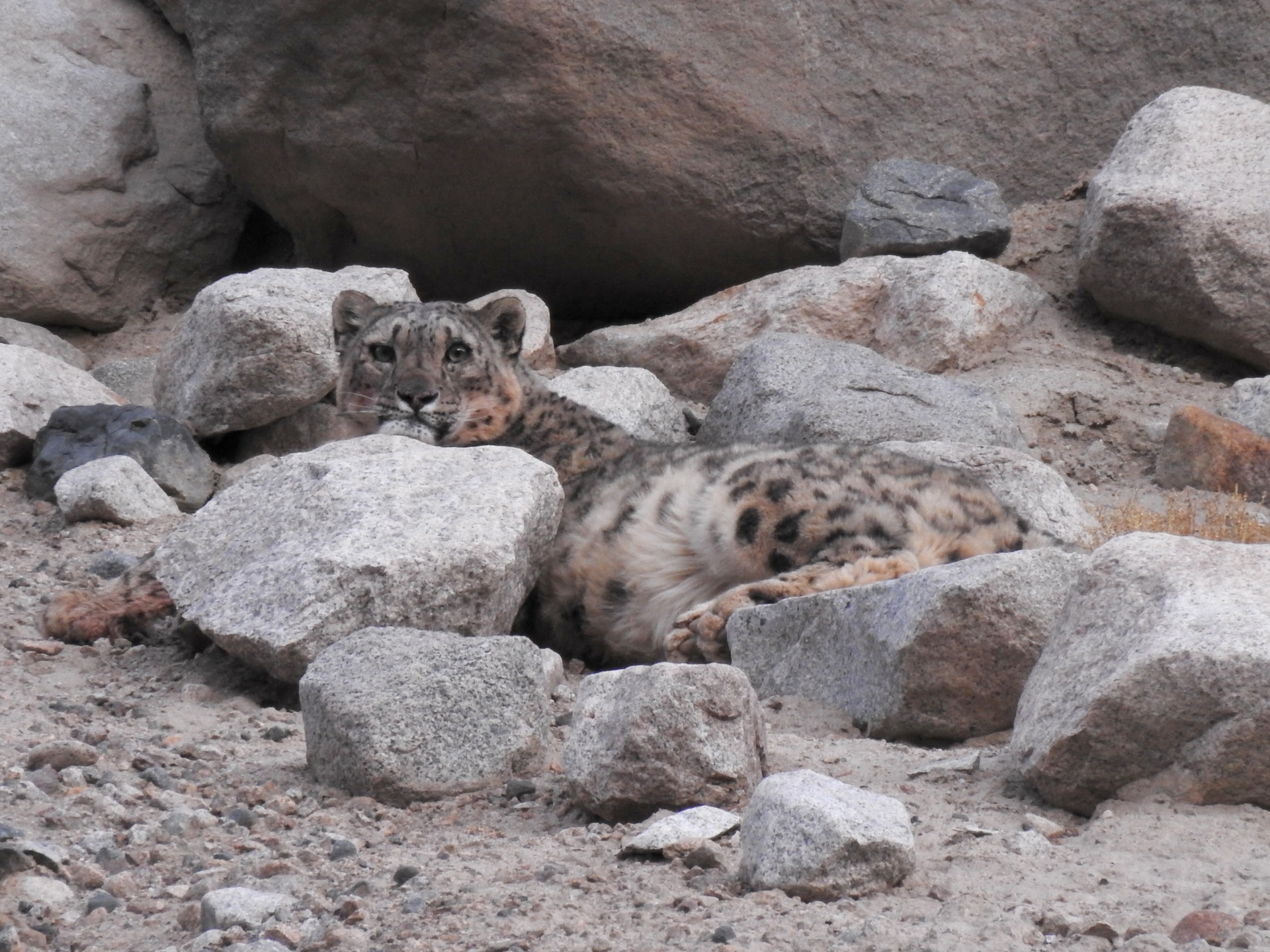 03 | Himalaya
Balance on difficult terrain.
The long tail helps with balance and can wrap around the animal’s body.Himalaya and the high mountains of Asia
Life above the treeline.
Read the story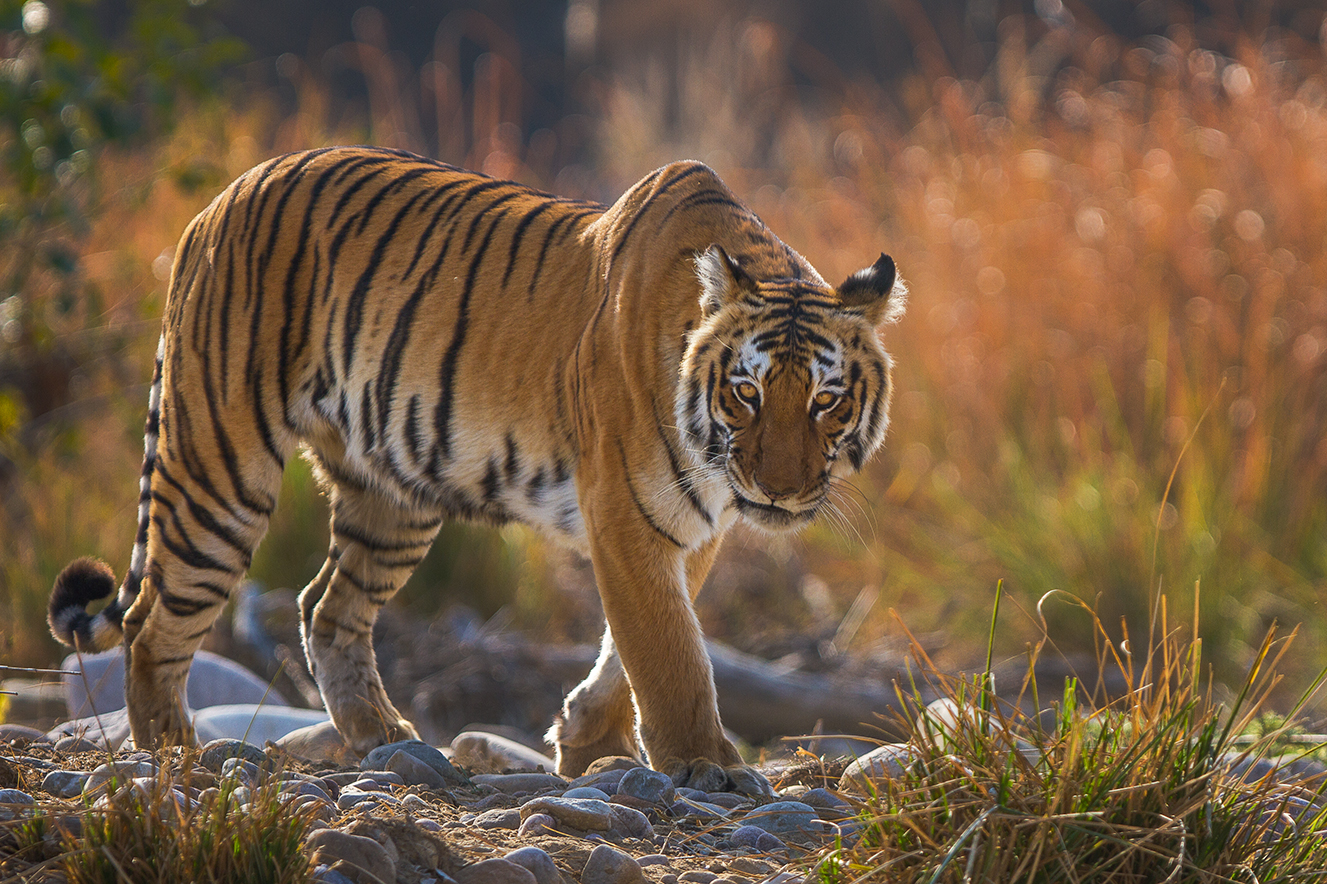 04 | Himalaya
A pattern with an identity.
Individual stripes help researchers distinguish tigers in camera-trap records.Himalayan foothills | Forests and grasslands of the Terai
A future that needs room to roam.
Read the story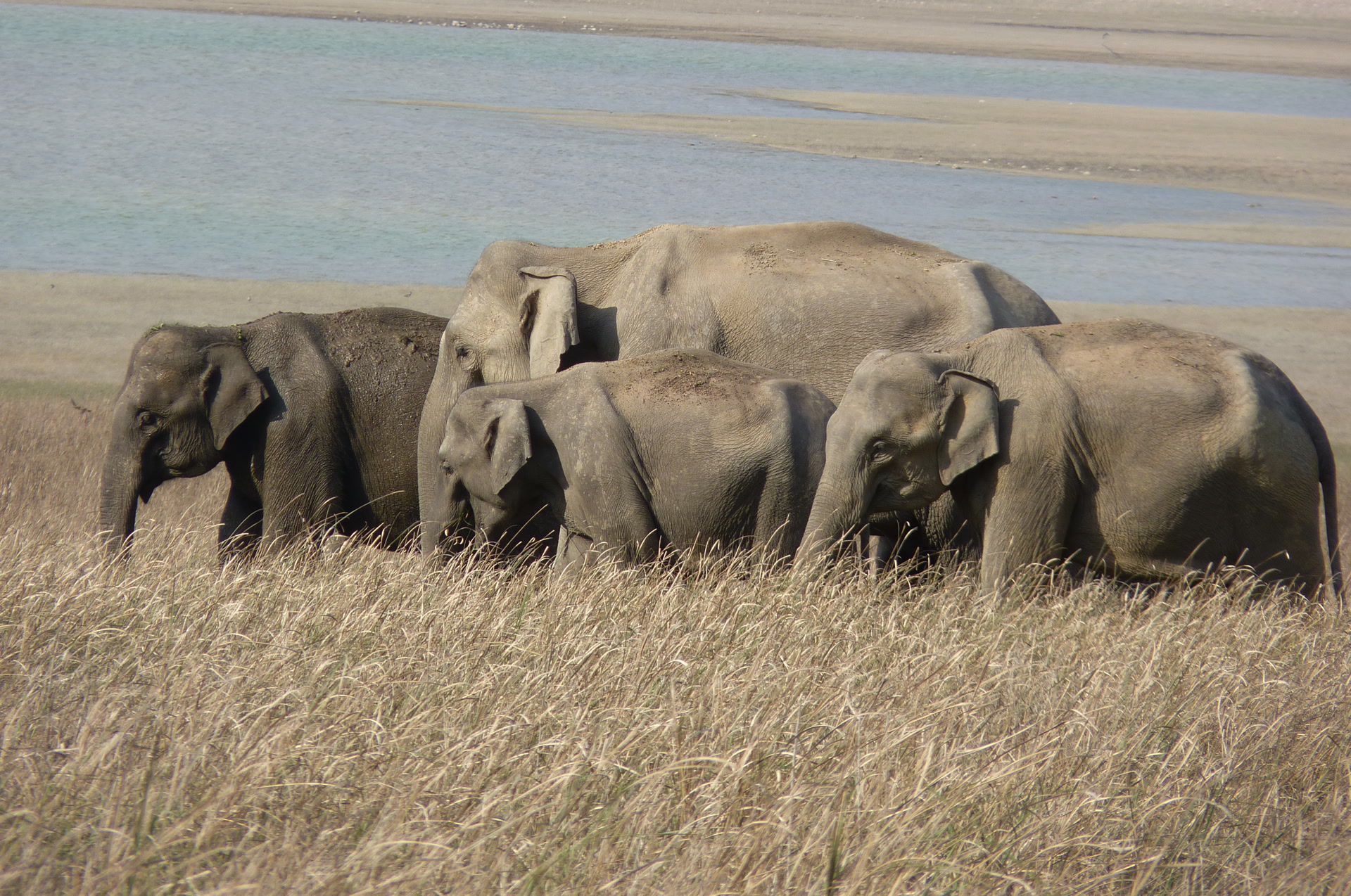 05 | Himalaya
Seeds travel with the animal.
Feeding and movement can carry seeds beyond the parent plant, connecting animal behaviour with forest regeneration.Asian forests and foothills | The Terai and beyond
Forest gardeners on the move.
Read the storyDocumentary photographs retain their original colours. Locations, creators and reuse licences are credited on each story.
Keep the geography clear
The right conservation response starts with the right place.
Polar bears, seals and walruses depend on different parts of a connected marine ecosystem.
Explore Polar 02 | Asian high mountainsSnow leopard conservation joins wild prey, connected mountains and local livelihoods.
Explore Himalaya 03 | Asian forests and foothillsTigers and Asian elephants need protection across forests, grasslands, and the landscapes people share with them.
Explore Asian elephantsConceptual habitat illustrations. Snow leopards are not Arctic wildlife; Asian tigers and elephants are not Amazonian species.
The VARUNÉ Bio contribution
Our interest in biological materials reaches beyond the laboratory. The environments that inform research are living systems, shared with wildlife and people.
Publish accessible, illustrated conservation stories, maintain the source trail and send readers directly to established conservation organisations.
Ask established organisations which education or conservation priority could make a useful, proportionate first contribution.
Set a budget, purpose, reporting basis and permissions with the organisation. A financial contribution and a formal partnership are separate decisions.
Publish the purpose, recipient, and confirmed amount of any contribution, alongside the recipient’s own description of what it supports.
The research connection. VARUNÉ Bio’s commercial work is ingredient research and cosmetic formulation science. Explore connects that work to biological questions and their environmental context. Wildlife conservation does not provide materials, permissions or evidence of cosmetic performance.
Explore the research questionsThree strands of our agenda
Animal biology, real geography and dated conservation evidence, made accessible through the stories on this site. Each story links to the organisations and research behind it.
Our next step is to assess a defined conservation priority with an established organisation. Any contribution will have a realistic budget and a clear record of what was delivered.
Our materials research begins with documented provenance, existing evidence and appropriate access. Conservation giving cannot replace permissions, benefit sharing or responsible sourcing.
Our approach to responsible developmentOur current position
These stories are our first public conservation contribution. Financial support and formal partnerships remain to be agreed. We will report confirmed contributions and completed work here as the agenda develops.