Caquetá, Colombia
A study of cupuaçu butter investigated processing routes used by producers in Caquetá. That study provenance stays separate from the Brazilian landscape imagery.
Geographic source
Amazonian lipids, plant chemistry and processing side streams. Research questions for texture, stability and responsible formulation.
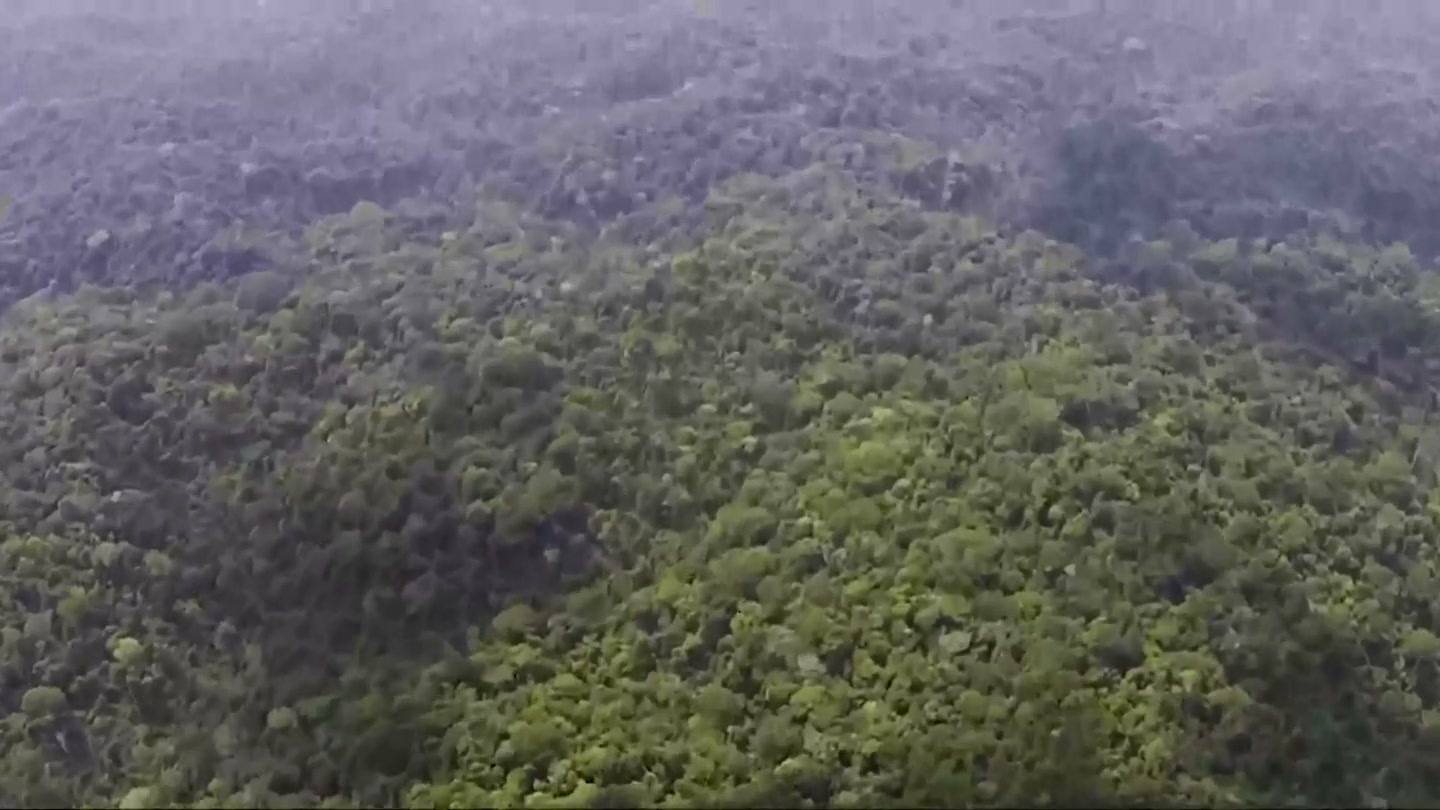
The research questionsBrazilian Amazon · NASA Goddard, released 2018Documentary landscape excerpt · independent observation · Media details
The environment
The Amazon is a multi-country biome, not interchangeable with Brazil. Caquetá, Colombia is the documented location for the cupuaçu processing study. Amazonas, Brazil is the context of the proposed satellite visual. Material supply origins must be recorded separately.
A study of cupuaçu butter investigated processing routes used by producers in Caquetá. That study provenance stays separate from the Brazilian landscape imagery.
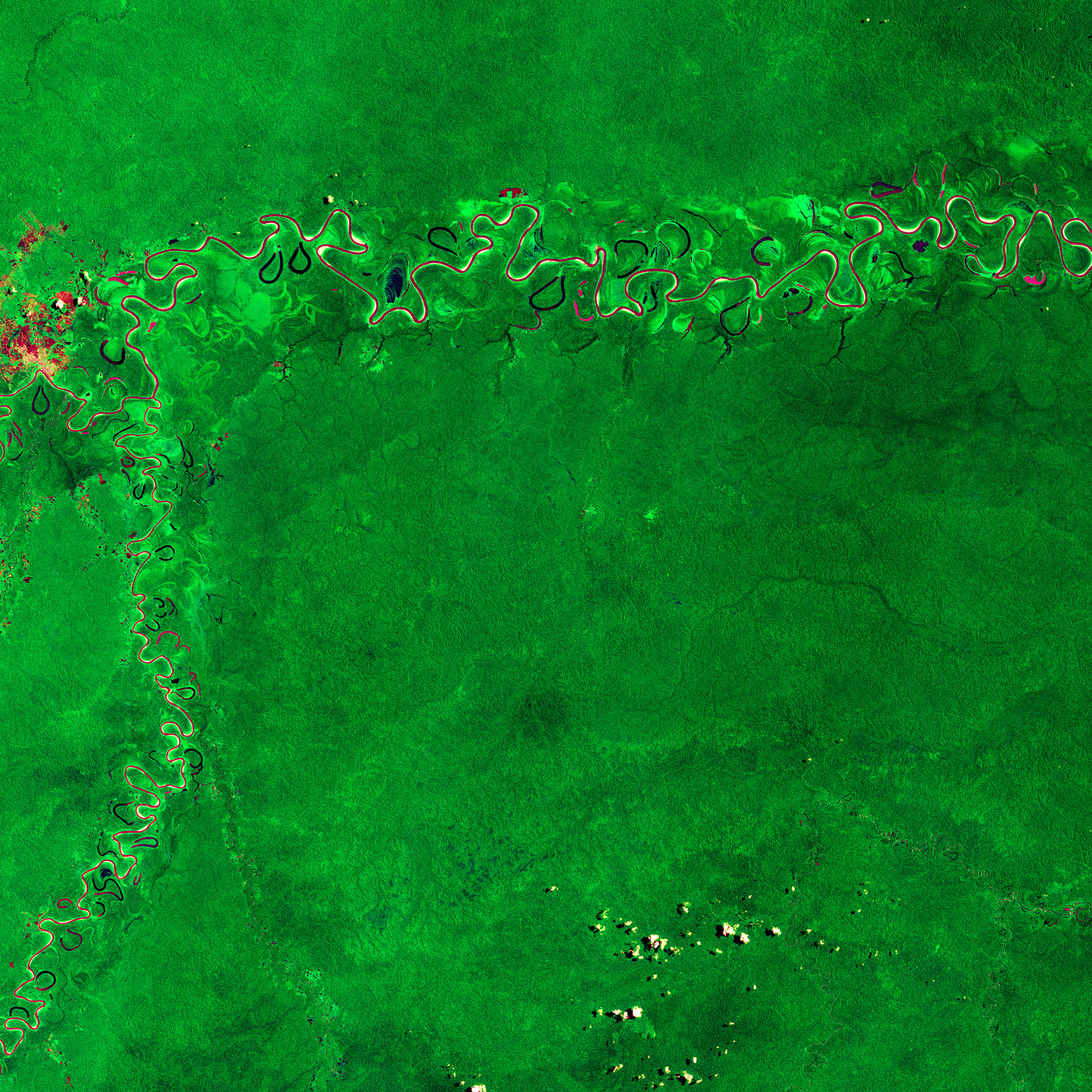
Geographic sourceThe Sentinel-2 image below reveals forest and river patterns using enhanced infrared colours. It supplies geographic context, without identifying the origin of a proposed ingredient lot.
Geographic sourceThese are geographic references from independent sources, not VARUNÉ field sites. Material origin is specified separately for each cited study.
Biology, in context
Forest materials sit within ecosystems, livelihoods and knowledge systems. A credible programme begins with a documented supply chain, material rights and appropriate access and benefit-sharing arrangements. Processing side streams also need evidence: being a by-product does not automatically make an ingredient sustainable.
THE RESEARCH LIBRARY
Each candidate dossier contains ten expanded chapters, from material identity to a buyer’s next decision. These are proposed research paths. Scientific leads, access, resources and terms must be agreed before a study becomes active.
VB-AMZ-01 · Proposed path
A rich butter can develop graininess or inconsistent texture after cooling and storage.
VB-AMZ-02 · Proposed path
An oil may carry an attractive colour yet create an unstable or visually inconsistent base.
VB-AMZ-03 · Proposed path
A small initial droplet size does not guarantee useful storage stability or justify a nano route.
VB-AMZ-04 · Proposed path
Changing lipid structure may change texture while also changing process complexity and oxidation exposure.
VB-AMZ-05 · Proposed path
A long-chain lipid profile may suggest a texture question, but application performance must be measured in the intended base.
The catalogue references are working identifiers, not available products or cleared commercial names. Published results belong to their investigators. Literature informs the starting point; the proposed work and commercial questions are VARUNÉ’s interpretation.
The scientific connection
The connection to beauty becomes specific when a biological idea leads to a comparison. The diagram connects each environment to a proposed development comparison.
Conceptual illustrations | Research logic, not experimental results. Each proposed comparison needs a defined material, appropriate controls and an agreed decision.
The proposed question
Can a documented processing route reduce graininess and improve consistency without worsening oxidation?
Could changing how a plant butter is processed make it smoother and more consistent without making it degrade faster?
Lipid crystallisation can affect consistency, melting behaviour and the feel of a balm or emulsion.
The proposed question
Which dispersion and packaging conditions preserve the oil's chemical profile while meeting colour-transfer and stability limits?
How could an oil keep its chemical character in a formulation without unwanted colour transfer or instability?
A naturally coloured oil offers a useful question about the interaction of lipid chemistry, colour, oxidation and emulsion structure.
The proposed question
Does a traceable extract retain a defined chemical profile and measurable antioxidant function after formulation and storage?
Does a plant extract keep its measured chemical activity after it is mixed into a formulation and stored? That would still need separate tests of finished-product performance.
The useful development question is reproducible extract quality and retained function inside a real formulation.
Proposed research · scoping stage
Published evidence establishes the starting point. The programmes below are VARUNÉ proposals for further qualification, with a beauty application and a decision to resolve.
Theobroma grandiflorum seed butter; also called copoazú/cupuassu.
A 2024 Sinchi institute study compared fermentation and pressing routes and documented differences in butter composition and quality. Earlier fat research characterised cupuassu and cocoa crystallisation and rheology. These support a materials question, not a proven skin benefit.
Can a documented processing route reduce graininess and improve consistency without worsening oxidation?
Could changing how a plant butter is processed make it smoother and more consistent without making it degrade faster?
The processing study used a common producer batch, not a broad supply-chain sample. Physical properties do not establish hydration, barrier repair or anti-ageing.
Mauritia flexuosa fruit oil.
A 2019 experiment compared non-interesterified and enzymatically restructured buriti oils in nanoemulsions. Dispersion and oxidation behaviour varied between preparations during 30 days of storage.
Which dispersion and packaging conditions preserve the oil's chemical profile while meeting colour-transfer and stability limits?
How could an oil keep its chemical character in a formulation without unwanted colour transfer or instability?
Nanoemulsion performance is formulation-specific. Published antioxidant or microbial assays do not demonstrate preservation, SPF, human photoprotection or a medicinal effect.
Euterpe oleracea seed extract; distinguish seed extract from fruit pulp and fruit oil.
The 2025 TI-35 study characterised a particular standardised seed extract, including 14 constituents, cell-based antioxidant assays and reconstructed-epidermis irritation testing.
Does a traceable extract retain a defined chemical profile and measurable antioxidant function after formulation and storage?
Does a plant extract keep its measured chemical activity after it is mixed into a formulation and stored? That would still need separate tests of finished-product performance.
TI-35 evidence does not transfer to every açaí extract. Cell and reconstructed-tissue results do not prove visible anti-ageing, pigmentation change, clinical safety or finished-product performance.
The development route
Applications, source rights, scientific ownership, delivery capacity, and funding must be agreed before a proposed study becomes an active programme.
Sources & boundaries
Sources were checked on 20 October 2026. Published findings belong to the original investigators. A material-level or laboratory observation does not establish efficacy, safety, or sustainability of a finished cosmetic.
Independent source for the cited preparation, study or strain history. Its findings do not establish a VARUNÉ result or an available company ingredient.
Independent source for the cited preparation, study or strain history. Its findings do not establish a VARUNÉ result or an available company ingredient.
Independent source for the cited preparation, study or strain history. Its findings do not establish a VARUNÉ result or an available company ingredient.
Independent source for the cited preparation, study or strain history. Its findings do not establish a VARUNÉ result or an available company ingredient.
Material origin, access conditions and intended research use need to be checked before a study. Conservation giving is separate from these obligations.