
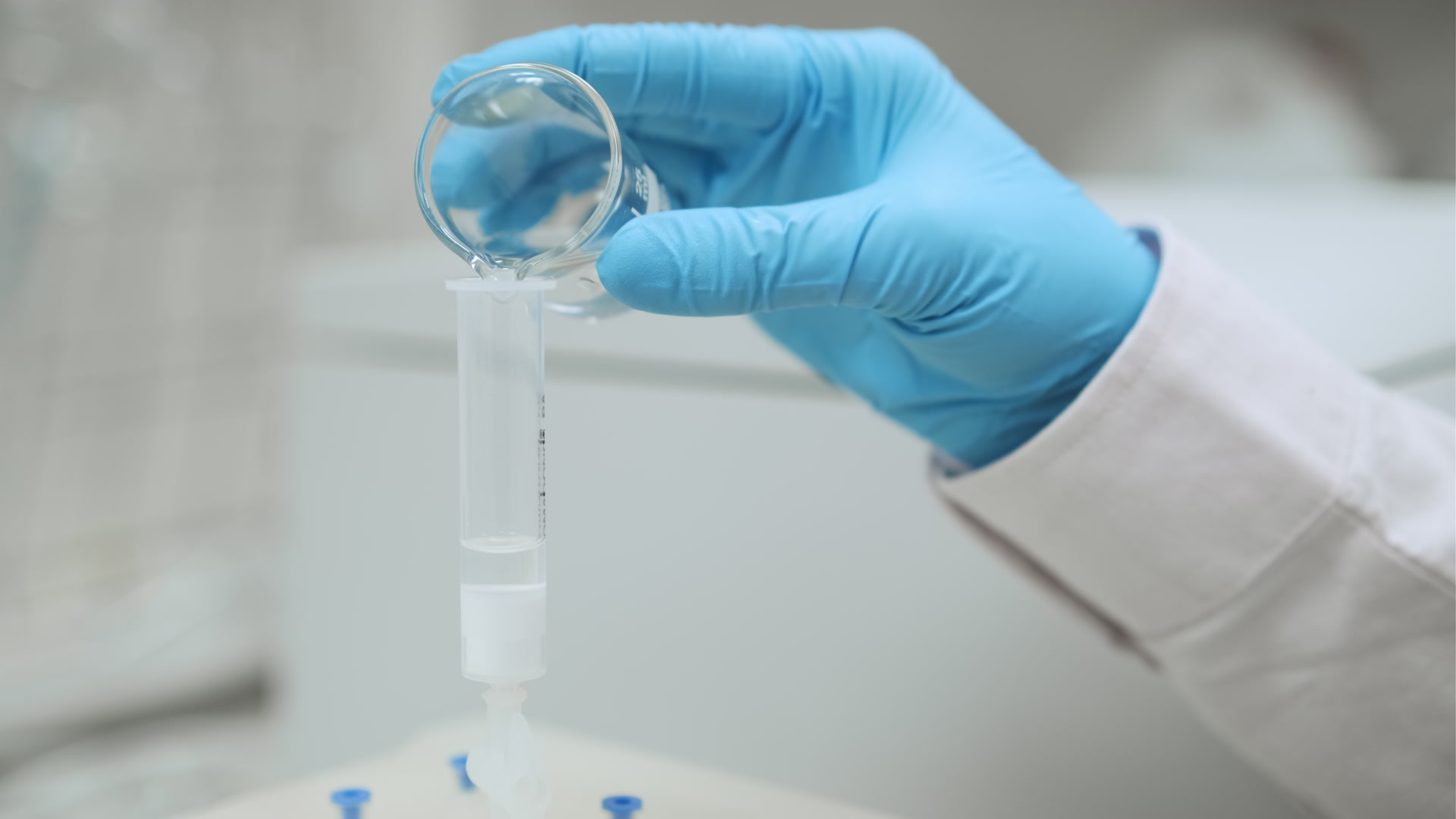
 Film credits
One source. Several different materials.
Define the biological and processing identity before treating a side stream as an ingredient candidate.
Proposed VARUNÉ Bio development direction. The studies cited are external research; programme capacity, deliverables and commercial terms would be agreed for a defined project.
The buyer is buying reproducibility
What must remain reproducible between deliveries?
A biomass label can conceal distinctions that matter to manufacture: species, cultivar, anatomical fraction, maturity, growing location, processing history and mixing of lots. A material-development discussion should establish which of these can be authenticated and which remain uncertain.
The proposed source passport would connect the sample in the laboratory with the stream a supplier could repeatedly provide. This is where a sourcing opportunity becomes an ingredient proposition. If identity changes faster than it can be measured or controlled, a promising small sample may be a poor basis for a formulation or a supply agreement.
Examine the development decision
One source. Several different materials.
Open the sequence to examine what a development decision needs.
Identify the exact preparation, its source, and the properties a second laboratory must be able to reproduce.
Explanatory geometry · no simulated or measured performance
Name the material before measuring it
Does the material name describe the sample?
A study on fruit peel is not automatically a study on whole fruit waste, seed-containing pomace or an industrial mixed residue. Cui et al. (2022) investigated persimmon-peel pectin; the anatomical source and extraction conditions belong with the material name.
We would describe a candidate using source, part, process and preparation identifier, then attach analytical results to that identifier. Taxonomic and supplier records should be reconciled rather than treated as interchangeable. A naming mismatch is cheap to resolve before extraction and expensive to discover after apparently contradictory functionality results have accumulated.
Wet mass can obscure the comparison
How much of the delivered stream is dry matter?
Two deliveries can have similar gross weight but different dry solids, extractable composition and storage behaviour. Incoming moisture measurement provides the basis for comparing them. The proposed study would specify sampling positions, timing, container handling and the drying method used to determine solids.
A measurement from one convenient surface sample may not represent a heterogeneous delivery. We would report the wet and dry bases together, preserving the link to the original lot. This gives the buyer a meaningful way to compare feed availability, transport burden and potential fraction yield without turning an unmeasured stream into a production forecast.
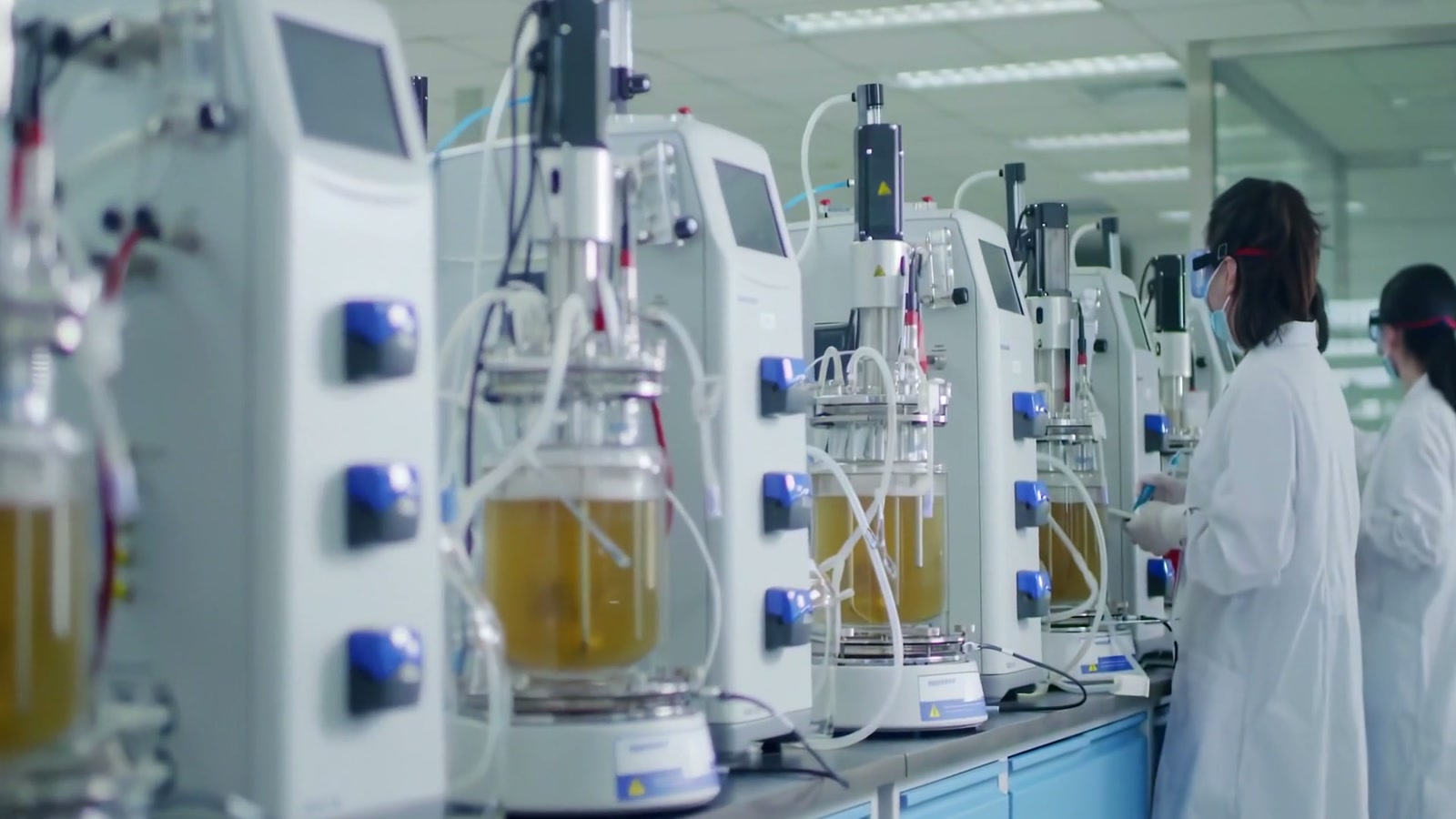
Recover a fraction someone has a use for.
Bring feedstock identity, recovery and formulation relevance into the same ingredient-development question.
Giving every yield a denominator
Which denominator makes yield comparable?
Dry feed mass is calculated from the received wet mass and its measured moisture fraction. The equation is simple, but its practical role is substantial: it prevents a wetter delivery from looking like a lower-performing biological source when yields are compared. Moisture uncertainty should be propagated or at least reported alongside the calculation.
The model assumes the sampling result represents the lot and that the chosen drying method does not misclassify volatile material as water. Those assumptions need checking for aromatic-rich streams. The proposed passport would therefore retain both method identity and the calculation basis.
Convert a representative moisture measurement into a transparent dry-feed basis.
- Dry feed masskg
- Received wet feed masskg
- Measured moisture mass fractionkg water per kg wet feed
Model conditions. Representative sampling; named moisture method; volatile-loss interference assessed for aromatic streams.
Composition follows the source and route
Which compositional features matter for the task?
Liu et al. (2019) analysed a named orange cultivar and hydrodistillation preparation; Dzhambazova et al. (2026) examined a specified olive-pomace cascade. These are useful demonstrations of preparation-specific composition, rather than universal specifications for orange or olive ingredients.
A Bio qualification proposal would select markers that answer the intended application: polymer size and esterification for a gelling fraction, chromatographic identity for an aromatic fraction, or impurity context for a phenolic candidate. Broad screening can reveal surprises, but the eventual specification should be tied to functionality and relevant product requirements.
Separate storage history from extraction performance
Could storage explain the observed difference?
A side stream may change before it reaches the extraction step. The proposed incoming study would document collection delay, temperature exposure, packaging, visible heterogeneity and any preservation already used by the supplier. Matched retained samples could help distinguish a process effect from an evolving feedstock.
This is especially useful when a customer asks why a later lot gives different colour, odour or recovery. Rather than adjust the extraction blindly, the programme would first locate the difference in the preparation chain. A storage-history record provides a practical explanation that a formulation or quality team can act upon.
A passport that can be handed to a laboratory
Can another laboratory identify the same preparation?
The deliverable would include a source description, lot map, sampling instructions, material identifiers, analytical priorities and a list of unresolved provenance questions. It would also state which records came from the supplier and which were independently examined.
The purpose is to make the first qualified comparison interpretable across organisations. A laboratory should be able to identify the received material, understand the intended dry basis and reproduce sample conditioning without guessing. This preparation work supports an original study and a potential supplier evaluation; it does not confer certification or establish safety of an eventual product.
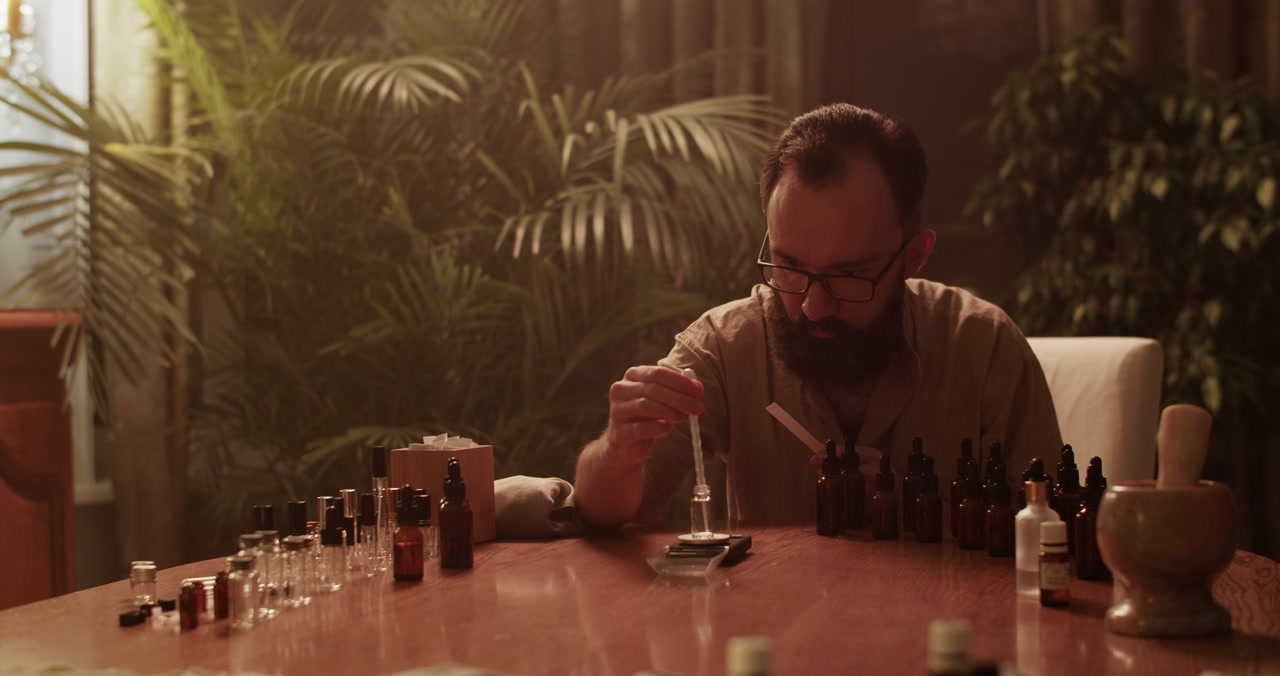
The next proposed comparison.
Source passport and incoming-material sampling proposal
The next enquiry starts with a sample story
What is the cheapest informative next step?
A useful discussion begins with how the stream is generated, how often its composition changes and what product task the supplier wants it to perform. We would then assess whether an identity brief could resolve the current qualification barrier.
The cheapest informative step may be better records and a defensible sampling plan rather than a more sophisticated extraction. The commercial proposition is a defined source and preparation package that reduces ambiguity in a subsequent study. Its value would be judged by the decisions it enables, with delivery scope and access to analytical resources agreed before commitment.
Circular bioingredients · Proposed development discussion
A development path
for this research.
Is this feedstock identity sufficiently controlled for a reproducible qualification study?
The people this could serve.Ingredient sourcing and supplier development teams.
The decision behind the project.
Your intended application, present alternative and the constraint behind “Feedstock identity”. A useful starting point is the change that would justify another development step.
A proposed scope centred on source passport and incoming-material sampling proposal.
Agree the comparison, acceptance basis and responsible expertise before discussing a paid package.
Specialist methods and a defined contribution.
Bring relevant analytical or experimental expertise, a comparator suggestion, and the conditions under which your method could resolve this question.
A jointly scoped proposal could connect your contribution with source passport and incoming-material sampling proposal.
Define contributions, required access, independent preparations and permitted outputs before work or protected information is shared.
The commercial purpose of the next milestone.
Bring the application or asset thesis, the buyer you expect to value it, and the scientific or commercial uncertainty that must be resolved before another commitment.
The proposed decision record would connect the buyer question with source passport and incoming-material sampling proposal. It would identify what a subsequent comparison needs to demonstrate.
Demand, development cost, resources, rights and a decision-changing milestone would need examination. No financing terms or investment outcome are represented here.
What a useful comparison
would record.
- Record dry feed mass (kg) with the preparation, method and conditions needed to interpret it.
- Record received wet feed mass (kg) with the preparation, method and conditions needed to interpret it.
- Record measured moisture mass fraction (kg water per kg wet feed) with the preparation, method and conditions needed to interpret it.
What the proposed
brief could leave behind.
- Source passport and incoming-material sampling proposal
- A preparation, comparator and endpoint record tied to this question.
- A source-linked account of the evidence gaps, study assumptions and next review point.
The proposed discussion brief
A brief you
can take away.
Use non-confidential notes to connect this topic with your own decision. Entries stay in this browser tab; saving creates a text file on your device. Nothing is submitted.
Supplier-funded identity and preparation brief
Notes are optional. The brief includes this page’s proposed question and public source links.
Proposed scope; resources, methods, rights and delivery terms would be agreed before work. Begin with non-confidential information.
Sources and reading notes.
External work is identified below. Access notes describe the material inspected for this page; company research questions and proposed work are not presented as findings from these sources.
Dzhambazova et al, 2026Dzhambazova et al. (2026). Tunable Natural Deep Eutectic Solvents‐Driven Fractionation of Olive Pomace in an Integrated Biorefinery: Linking Lignin Structural Tailoring to Carbohydrate Valorization and Biopolymer Production. DOI: 10.1002/cssc.70835.
The authors’ preparation, process conditions and reported measurements; application-specific limitations are discussed in the text.
Scope and limitations: This is an open access article under the terms of the http://creativecommons.org/licenses/by/4.0/ License, which permits use, distribution and reproduction in any medium, provided the original work is properly cited. Article access is not material supply, process permission or patent clearance. Figures and raw data are not reproduced here.
Open original sourceCui et al, 2022Cui et al. (2022). Extraction optimization and characterization of persimmon peel pectin extracted by subcritical water. DOI: 10.1016/j.fochx.2022.100486.
The authors’ preparation, process conditions and reported measurements; application-specific limitations are discussed in the text.
Scope and limitations: This is an open access article under the CC BY-NC-ND license (http://creativecommons.org/licenses/by-nc-nd/4.0/). Article access is not material supply, process permission or patent clearance. Figures and raw data are not reproduced here.
Open original sourceLiu et al, 2019Liu et al. (2019). Extraction of ‘Gannanzao’ Orange Peel Essential Oil by Response Surface Methodology and its Effect on Cancer Cell Proliferation and Migration. DOI: 10.3390/molecules24030499.
The authors’ preparation, process conditions and reported measurements; application-specific limitations are discussed in the text.
Scope and limitations: https://creativecommons.org/licenses/by/4.0/Licensee MDPI, Basel, Switzerland. This article is an open access article distributed under the terms and conditions of the Creative Commons Attribution (CC BY) license (http://creativecommons.org/licenses/by/4.0/). Article access is not material supply, process permission or patent clearance. Figures and raw data are not reproduced here.
Open original source