
 Film credits
A fermentation story needs a preparation identity.
A proposed ingredient-dossier route connecting organism provenance, processing and the material a formulator actually receives.
Proposed programme | Study scope, qualified delivery and funding to be agreed.
The path through the preparation beyond the original culture.
Follow the material supplied to the formulator.
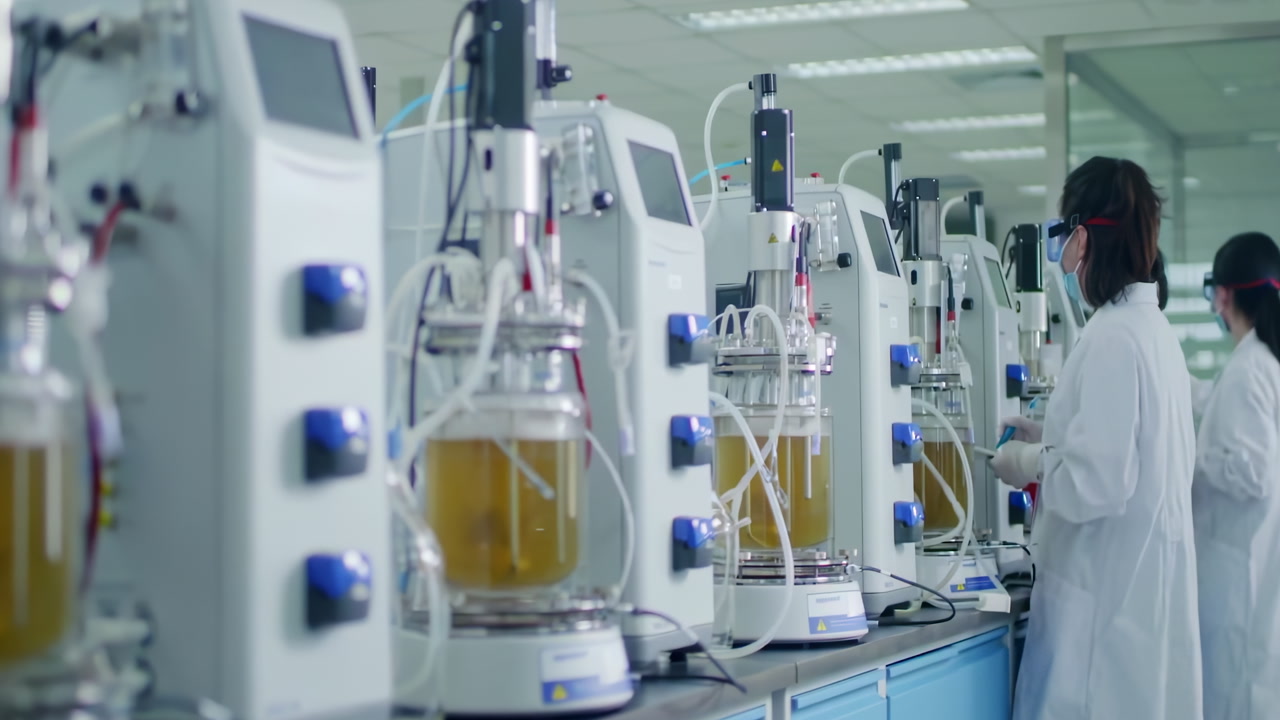
A fermentation-derived ingredient can be a filtrate, a fraction, a dried biomass preparation or a material subjected to several processing steps. The commercial label may not reveal which of those states the formulator receives. Bio’s proposed brief would map the supplied preparation and identify which properties matter to the intended application. The buyer’s decision is whether the evidence describes the actual ingredient and whether a next comparison is justified. An appealing organism story does not by itself establish formulation performance. A useful dossier should connect provenance, process, material identity and endpoint rather than asking a customer to infer them from a fashionable name.
Examine the development decision
A fermentation story needs a preparation identity.
Open the sequence to examine what a development decision needs.
Identify the exact preparation, its source, and the properties a second laboratory must be able to reproduce.
Explanatory geometry · no simulated or measured performance
Describe fractions with an application reason.
Each fraction needs an application reason.
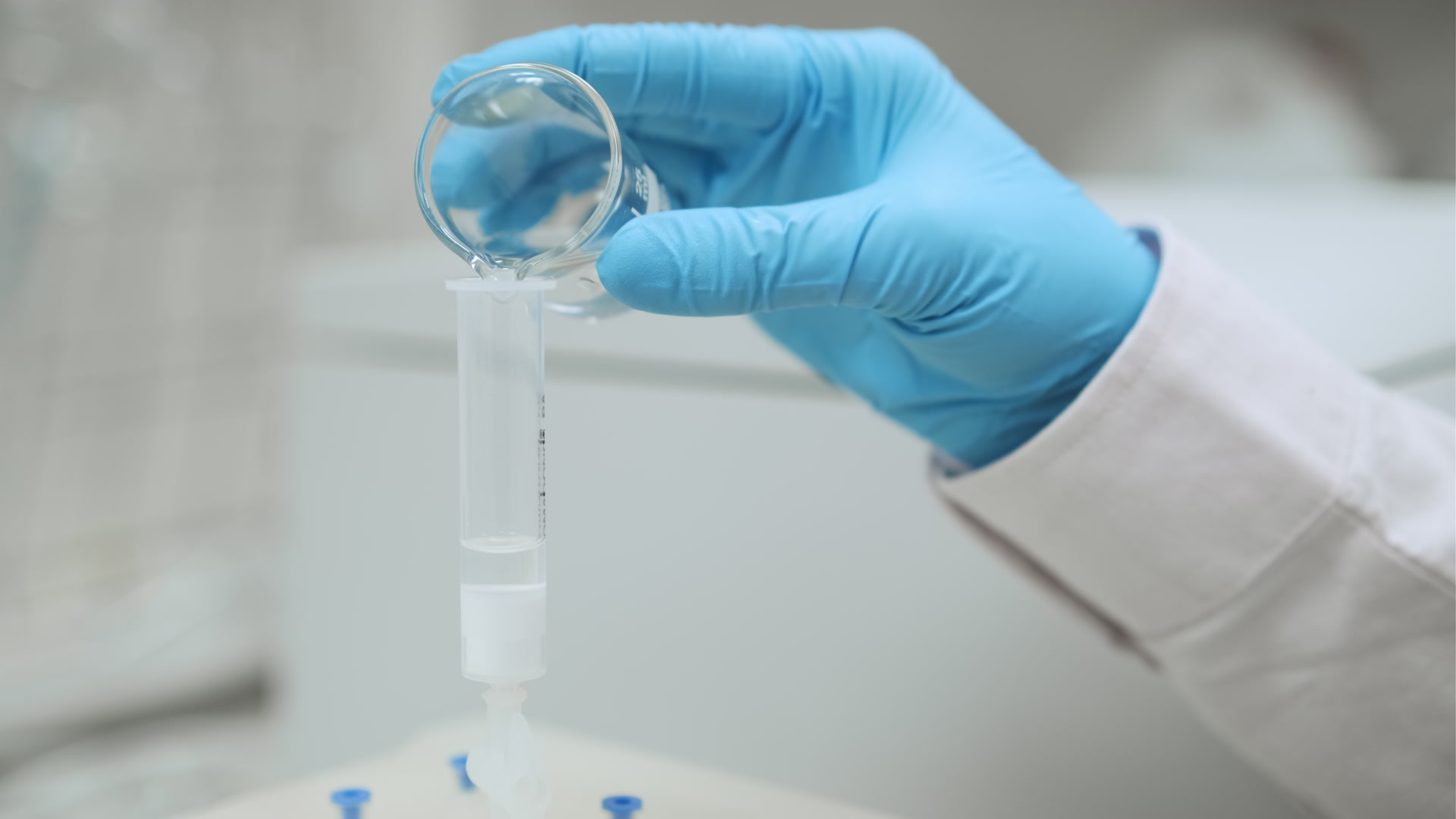
The record could distinguish retained cells, soluble components, residual medium, processing aids and other relevant fractions where the supplier has information it can lawfully share. It should state which properties are measured and which remain nominal descriptions. A filtration step can change the preparation without making it chemically simple. Drying or inactivation can introduce another state. The proposed analysis would ask which fraction is implicated in the buyer’s desired material behaviour and what measurement could test that hypothesis. It would not claim that Bio has isolated an active ingredient or that every fermentation-derived component has a beneficial biological effect.
Using terminology with its evidence requirements.
Terminology should match preparation and benefit evidence.
Salminen et al. (2021) connects the postbiotic designation with a defined preparation and host-benefit evidence. The proposed Bio route would not apply that label merely because material originated from a culture or has been inactivated. A cosmetic ingredient might be more precisely described by its actual preparation and intended physical or formulation question. The evidence ledger would retain the supplier’s terminology, identify the supporting record and flag where a desired claim needs additional evidence. That helps application and marketing teams discuss the same material without turning a provenance statement into an untested claim about skin or health.

The formula changes the observation.
Investigate the relationship between formulation, phase availability, sample recovery and interpretable microbial evidence.
Keeping material yield separate from activity.
A yield describes processing on a stated basis.
The expression below describes recovered dry preparation relative to a defined starting basis. It can make process comparisons clearer when both quantities are measured appropriately. It does not identify chemical composition, purity, biological activity or functional performance. A candidate dossier should therefore explain the basis and any losses rather than showing yield alone as evidence of ingredient quality. A frontend process journey could let a reader follow the preparation fractions and inspect what is known at each step. Actual numerical yields would require source or supplier data with rights, methods and units checked; none are assumed for Bio here.
A process descriptor makes the preparation traceable; it does not supply a functional claim.
- Dry preparation yield on specified basisg g⁻¹
- Recovered preparation dry massg
- Stated initial mass basisg
Model conditions. Starting basis explicitly defined and compatible. Dry-mass method and processing losses recorded. Yield is not purity, activity or host benefit. Defined starting mass must be positive and the recovered mass non-negative.
A first application comparison.
Choose a comparator for the material job.
A formulator interested in a film, viscosity contribution or deposition behaviour needs a comparator relevant to that job. The preparation should be compared at a justified mass or concentration basis, with surrounding matrix conditions retained. If a claim concerns a biological response, the method and evidence route are different. Bio’s proposed brief would identify those branches and prioritise the cheapest comparison that changes the next decision. A supplier could use it to refine a technical dossier before commissioning a larger study. The output would not substitute a microbial origin for a demonstrated contribution or imply that the material is suitable for every product category.
Record microbial state without overclaiming it.
Identity and culture observations answer separate questions.
Nocker and Camper (2006) shows why DNA detection and viability can diverge in specified organisms. A preparation record should distinguish molecular identity, membrane-associated observations and culture recovery where they are relevant. FDA BAM supplies a cosmetics analysis context for qualified microbial observations (Huang et al., 2024). A dossier should not infer non-viability or absence of objectionable organisms from a sequence label or a process description alone. The proposed Bio analysis would identify which method or control is needed for the intended statement. Product assessment and appropriate quality decisions would remain with qualified professionals and the relevant responsible parties.
Deliver a dossier that invites a serious application discussion.
Connect supplier records with an application study.
The proposed output would contain the preparation map, source-linked evidence table, material-state questions, comparator rationale and an application study request. An ingredient supplier could use it to discuss a defined job with a beauty developer. A research partner could use it to identify which characterisation must precede a comparison. Commercial terms and delivery would depend on available expertise and source access. Any new data, confidential process knowledge or original contribution would need an agreed rights framework. A later licensing opportunity would be earned through a defensible preparation and measured application relevance, not created by presenting external fermentation science as company-owned IP.
The next proposed comparison.
Preparation identity map and application evidence gap brief
The material that can actually be supplied.
Start with the state that can actually be obtained.
An opening enquiry should describe the supplied state, available specification, processing class and intended formulation job. A non-confidential dossier may establish the initial scope. The next milestone would be a reviewer-approved identity and comparison brief that the supplier and customer both recognise as representing the same preparation. If key identity information cannot be recovered, the programme should pause the application claim and address that gap first. The commercial value comes from making a biological material easier to evaluate credibly. A more interesting proposal is one that connects an unusual source to an inspectable development decision and a realistic next measurement.
Microbial material systems · Proposed development discussion
A development path
for this research.
What information makes this microbial-derived preparation comparable and usable for development?
The people this could serve.Fermentation ingredient suppliers and beauty application scientists.
The decision behind the project.
Your intended application, present alternative and the constraint behind “A fermentation story needs a preparation identity.”. A useful starting point is the change that would justify another development step.
A proposed scope centred on preparation identity map and application evidence gap brief.
Agree the comparison, acceptance basis and responsible expertise before discussing a paid package.
Specialist methods and a defined contribution.
Bring relevant analytical or experimental expertise, a comparator suggestion, and the conditions under which your method could resolve this question.
A jointly scoped proposal could connect your contribution with preparation identity map and application evidence gap brief.
Define contributions, required access, independent preparations and permitted outputs before work or protected information is shared.
The commercial purpose of the next milestone.
Bring the application or asset thesis, the buyer you expect to value it, and the scientific or commercial uncertainty that must be resolved before another commitment.
The proposed decision record would connect the buyer question with preparation identity map and application evidence gap brief. It would identify what a subsequent comparison needs to demonstrate.
Demand, development cost, resources, rights and a decision-changing milestone would need examination. No financing terms or investment outcome are represented here.
What a useful comparison
would record.
- Record dry preparation yield on specified basis (g g⁻¹) with the preparation, method and conditions needed to interpret it.
- Record recovered preparation dry mass (g) with the preparation, method and conditions needed to interpret it.
- Record stated initial mass basis (g) with the preparation, method and conditions needed to interpret it.
What the proposed
brief could leave behind.
- Preparation identity map and application evidence gap brief
- A preparation, comparator and endpoint record tied to this question.
- A source-linked account of the evidence gaps, study assumptions and next review point.
The proposed discussion brief
A brief you
can take away.
Use non-confidential notes to connect this topic with your own decision. Entries stay in this browser tab; saving creates a text file on your device. Nothing is submitted.
Scoped decision brief, qualified external study design or versioned evidence collection; commercial terms and delivery subject to agreement.
Notes are optional. The brief includes this page’s proposed question and public source links.
Proposed scope; resources, methods, rights and delivery terms would be agreed before work. Begin with non-confidential information.
Sources and reading notes.
External work is identified below. Access notes describe the material inspected for this page; company research questions and proposed work are not presented as findings from these sources.
Salminen, S. et al, 2021Salminen, S. et al. (2021) ISAPP consensus statement on the definition and scope of postbiotics. Nature Reviews Gastroenterology & Hepatology, 18, 649–667
Consensus terminology links postbiotic designation to defined preparation and host-benefit evidence.
Scope and limitations: Primary consensus abstract/identity inspected; no cosmetic or Bio human-benefit evidence inferred.
Open original sourceNocker, A. and Camper, A.K, 2006Nocker, A. and Camper, A.K. (2006) Selective removal of DNA from dead cells of mixed bacterial communities by use of ethidium monoazide. Applied and Environmental Microbiology, 72, 1997–2004
DNA persistence and membrane-integrity-dependent dye discrimination in specified bacteria.
Scope and limitations: Public primary abstract inspected; results concern EMA and specified organisms. Do not infer PMA performance or universal viability.
Open original sourceFDA, n.d.Huang, J. et al. (2024) Bacteriological Analytical Manual, Chapter 23: Methods for Cosmetics. July edition. FDA
Matrix-specific sampling, enumeration, enrichment and identification framework.
Scope and limitations: Official analytical method; not a Bio result, service approval or substitute for jurisdiction-specific product safety assessment.
Open original source